Warm Bowl Rotation
Alternate between porridge bases — oats, millet, buckwheat, or quinoa — topped with different fruit, seed, and nut combinations each day. A simple way to vary texture and flavour without new recipes.
Our meal planning guidance focuses on structure and flexibility. Suggestions are educational starting points — not prescriptive menus and not tied to any health or weight-related outcomes.
Request a Personalised Plan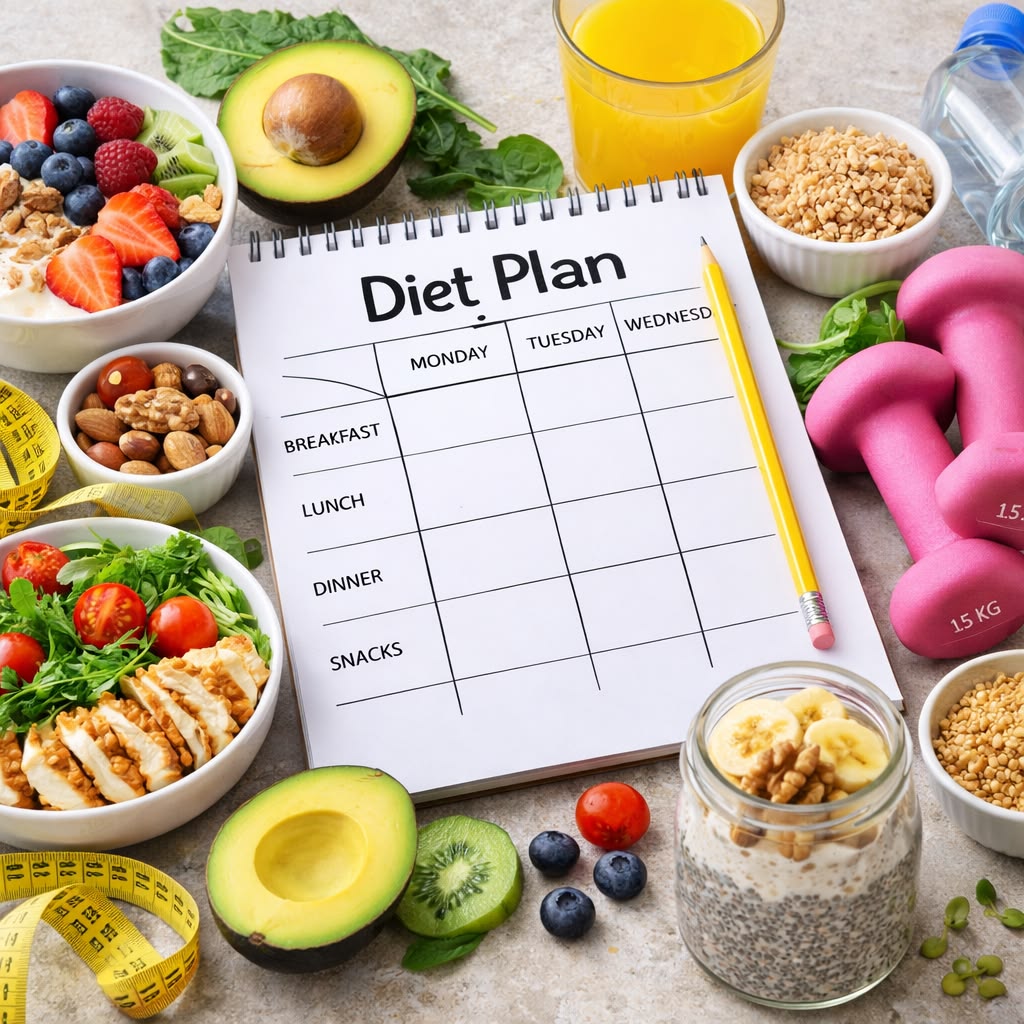
We design meal structures that leave room for adaptation. Rather than assigning exact dishes for each day, we provide category-based templates — for example, a grain bowl day, a soup-and-salad day, or a one-pan roasting day — that you populate with ingredients you enjoy and can access.
This approach respects individual taste, budget, and time constraints while still encouraging exposure to a wider ingredient range over time.
Alternate between porridge bases — oats, millet, buckwheat, or quinoa — topped with different fruit, seed, and nut combinations each day. A simple way to vary texture and flavour without new recipes.
Overnight oats, yoghurt parfaits, and wholegrain toast with varied toppings suit busy mornings. We provide combination matrices rather than rigid recipes.
Eggs with different vegetable sides, avocado on seeded bread, or warm grain salads introduce variety beyond sweet breakfast defaults.
Reserve one morning for trying a new preparation — shakshuka, congee, or a vegetable frittata — as an optional educational activity rather than a weekly requirement.
Lunch often becomes the most repetitive meal. These frameworks address portability, reheating, and assembly speed.
Layer dressing, hardy vegetables, proteins, and greens in rotation. Change one layer each day — the protein source on Monday, the grain on Tuesday, the dressing on Wednesday.
A grid of bread types, spreads, fillings, and crunch elements generates dozens of combinations from a small shopping list.
Evening extras become lunch foundations. We teach identification of which leftovers reheat well and how to transform them with fresh herbs or a different base.
Combine a protein, two vegetable types, and a starch on a single tray. Rotate the seasoning profile weekly — Mediterranean herbs, Middle Eastern spices, or East Asian aromatics.
Quick-cooking method ideal for testing unfamiliar vegetables. We suggest pairing charts rather than fixed recipes.
Stews, curries, and braises made in larger batches support lunch leftovers while introducing legumes and root vegetables in varied combinations.
Pair one protein-or-fat source with one produce item — apple with almond butter, crackers with hummus, cheese with grapes. Rotate each component independently for easy variety.
Dedicate a fridge shelf to pre-portioned items: cut vegetables, boiled eggs, yoghurt cups, and mixed nuts. Refresh the selection weekly.
Align snack fruit with UK seasonal availability. Educational charts in our guides show what to expect each month at typical supermarkets and markets.
Energy balls, roasted chickpeas, and seeded crackers prepared in bulk reduce reliance on single-flavour packaged snacks.
When you book a consulting session, we translate the concepts above into a document tailored to your household. Here is what a typical deliverable includes:
A seven-day template with meal categories, suggested ingredient rotations, and blank spaces for your own preferences — clearly labelled as non-medical educational material.
Organised by supermarket section with approximate quantities for your stated household size.
Optional batch-cooking timeline for Sunday or whichever day suits your routine.
Alternative ingredients for each category so you can adjust based on availability, preference, or budget without starting over.
We can note preferences you share — vegetarian, gluten-free, or dairy-free, for example — but we do not provide medically prescribed diets. For dietary requirements linked to a health condition, please work with a registered dietitian or your GP.
Plans focus on frameworks and combination ideas rather than detailed recipes. We typically include eight to twelve assembly guides with ingredient lists and basic preparation notes.
Yes. We scale suggestions and batch-cooking guidance to match one-person, couple, and family contexts during the consultation.
Contact us to discuss personalised meal frameworks, educational guides, or our structured variety programmes.
Enquire Today